 blog
Best Pennsylvania Craft Whiskey Distilleries
Table of Contents
- What Defines the Best Pennsylvania Craft Whiskey Distilleries
- Pennsylvania Whiskey Tasting: What to Expect at Local Distilleries
- Pennsylvania Distillery Tours: Visiting Family-Owned Producers
- Pennsylvania Bourbon Distilleries: Rye and Heritage Spirits
- Using a Pennsylvania Distillery Map to Plan Your Visits
- Why Small-Batch Production Matters in Pennsylvania Craft Whiskey
- Ordering Pennsylvania Craft Whiskey Online vs. In-Person Experiences
- Conclusion
- Frequently Asked Questions
Last Updated: October 11, 2026
What Defines the Best Pennsylvania Craft Whiskey Distilleries
Finding the best Pennsylvania craft whiskey distilleries means understanding what separates truly distinctive spirits from the rest. At Lighthouse Spirits, we've spent years exploring what makes a craft distillery worthy of your time and investment. The answer isn't just about size or age, it's about commitment to precision, balance, and integrity in every batch.
The best Pennsylvania craft whiskey distilleries share specific qualities. They prioritize small-batch production over volume. They source ingredients thoughtfully. They never rush the aging process. Most importantly, they're willing to stand behind their work with transparency about how they make their spirits.
Pennsylvania has a rich whiskey heritage, particularly with rye production. When evaluating Pennsylvania craft whiskey distilleries, look for producers who understand this tradition while pushing toward their own distinctive flavor profiles. Family ownership matters too, it signals long-term commitment rather than quarterly profit cycles.
Pennsylvania Whiskey Tasting: What to Expect at Local Distilleries
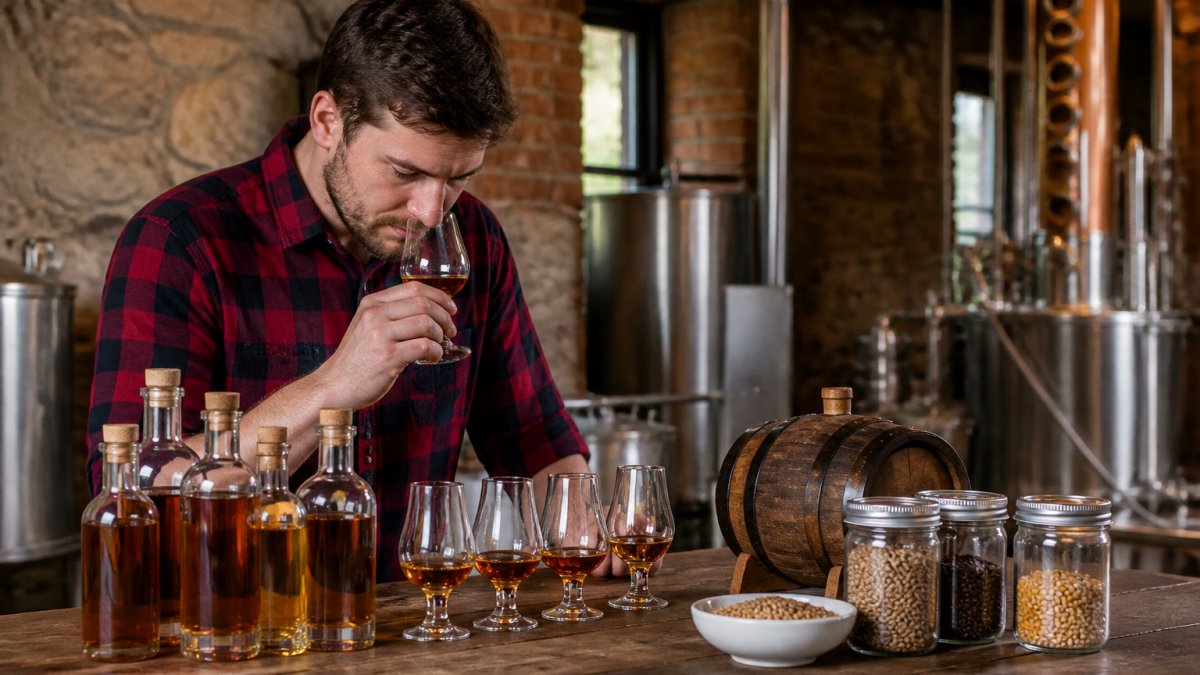
A Pennsylvania whiskey tasting at a craft distillery is a guided experience where you'll sample multiple spirits and learn the story behind each one.
Typical Tasting Structure
Cost and Reservation Details
What Makes a Pennsylvania Tasting Memorable
Accessibility and Dietary Considerations
Pairing Tastings with Food
Pennsylvania Distillery Tours: Visiting Family-Owned Producers
Touring a family-owned Pennsylvania craft whiskey distillery gives you access to the full production story.
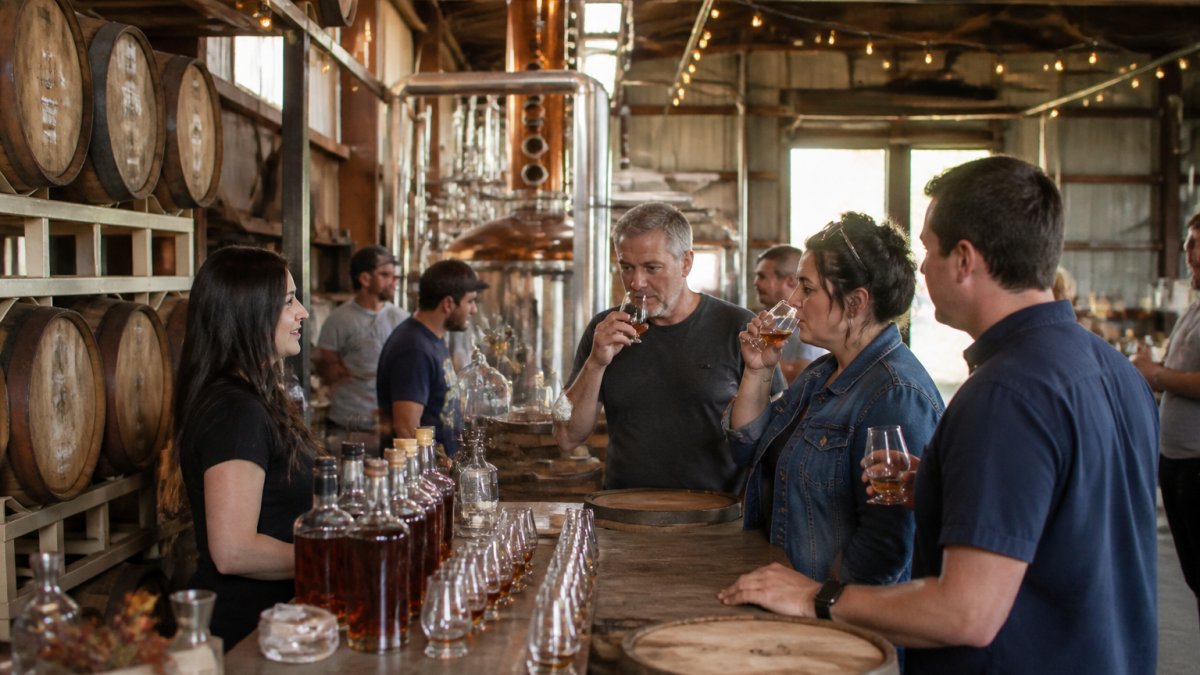
Family-owned distilleries often share personal details about why they started. This narrative matters, it explains why their spirits taste the way they do.
When planning a distillery tour, call ahead. Most Pennsylvania craft whiskey distilleries require reservations, especially on weekends. Tours often fill weeks in advance during peak season.
Pennsylvania Bourbon Distilleries: Rye and Heritage Spirits
Pennsylvania has a historic connection to rye whiskey production. The state's distilling tradition dates back centuries, and modern craft distillers are reclaiming that heritage with new expressions. When exploring Pennsylvania bourbon distilleries and rye producers, you're tapping into both history and innovation.
Rye whiskey has a spicier, drier profile than bourbon. It's made from a mash bill that's at least 51% rye grain. Pennsylvania craft whiskey distilleries often emphasize their rye expressions because the state's climate and grain quality support excellent rye production. Some distilleries also produce bourbon, whiskey aged in new charred oak barrels with a mash bill of at least 51% corn.
The distinction matters for your palate. If you prefer smoother, sweeter spirits, start with bourbon expressions. If you like spice and complexity, rye-forward whiskeys will appeal more. Many Pennsylvania distilleries offer both, so tastings let you compare side by side and discover your preference.
Using a Pennsylvania Distillery Map to Plan Your Visits
A Pennsylvania distillery map helps you cluster visits geographically and save driving time. The state's craft whiskey distilleries aren't evenly distributed; some regions have multiple producers within 30 minutes of each other, while others are more spread out. Planning a multi-stop visit requires understanding these clusters and realistic travel times.
Eastern Pennsylvania Cluster (Philadelphia Metro and Lehigh Valley)
The Philadelphia area and surrounding counties host the highest concentration of craft whiskey distilleries in the state. This region includes distilleries within 20 to 40 minutes of downtown Philadelphia, making it ideal for a one-day or weekend tour. The Lehigh Valley (Allentown, Bethlehem, Easton area) sits about 60 minutes north and contains additional producers. A typical eastern route might start in Philadelphia, move north to the Lehigh Valley, and return south, a loop covering roughly 120 miles with three to four distillery stops.
Central Pennsylvania (Harrisburg and Surrounding Counties)
Central Pennsylvania offers a more rural distillery experience with scenic backdrops and smaller crowds. Distilleries in this region are spaced 30 to 50 minutes apart, so plan for fewer stops per day than the eastern cluster. This region suits visitors seeking a slower pace and quieter tasting environments. Many central distilleries emphasize local grain sourcing and farm-to-glass production, reflecting the agricultural character of the region.
Western Pennsylvania (Pittsburgh Metro and Beyond)
Western Pennsylvania has a growing craft spirits scene centered around Pittsburgh and expanding into surrounding counties. Distilleries here are generally 40 to 60 minutes apart, making a two-distillery day realistic. The Pittsburgh area itself has multiple producers within 20 to 30 minutes of the city center, suitable for an urban-based tasting day. Western distilleries often emphasize bourbon and rye heritage tied to the region's historic distilling past.
Sample One-Day Itineraries
Eastern Pennsylvania Loop (6-8 hours driving + tastings): Start at a Philadelphia-area distillery at 10 a.m., spend 2.5 hours (tour, tasting, gift shop). Drive 45 minutes north to a Lehigh Valley distillery, spend 2.5 hours. Return south, stopping at a third distillery if time permits. This route covers roughly 100 miles and allows two to three quality visits without rushing.
Central Pennsylvania Rural Route (5-7 hours driving + tastings): Begin in Harrisburg or a nearby town. Visit a distillery, spend 2.5 hours. Drive 40 minutes to a second distillery, spend 2.5 hours. Optionally add a third stop 45 minutes away. This route emphasizes depth over quantity and suits visitors interested in grain sourcing and production philosophy.
Western Pennsylvania Urban Day (4-6 hours driving + tastings): Base yourself in Pittsburgh. Visit two distilleries within the metro area (20-30 minutes apart), spending 2.5 hours at each. This minimizes driving and suits visitors with limited time or those unfamiliar with rural navigation.
Multi-Day Regional Tours
For visitors with two to three days, combine regions. A popular route pairs eastern and central Pennsylvania: Day 1 in Philadelphia or Lehigh Valley, Day 2 in central Pennsylvania, with an optional Day 3 exploring western options. Allow 60 to 90 minutes of driving between regions. This approach lets you experience the state's geographic and production diversity without excessive travel.
Practical Pacing Guidelines
Most distilleries recommend 2.5 to 3 hours per visit when you include the tour, tasting, and gift shop browsing. If you're visiting multiple distilleries in one day, space them out, your palate needs recovery time between tastings. Many visitors find that two distillery visits per day is the realistic maximum while still enjoying each experience fully. Attempting three visits in one day risks palate fatigue and diminishes your ability to appreciate the spirits. Plan rest stops, meals, and water breaks between visits to maintain focus and safety if driving.
Why Small-Batch Production Matters in Pennsylvania Craft Whiskey
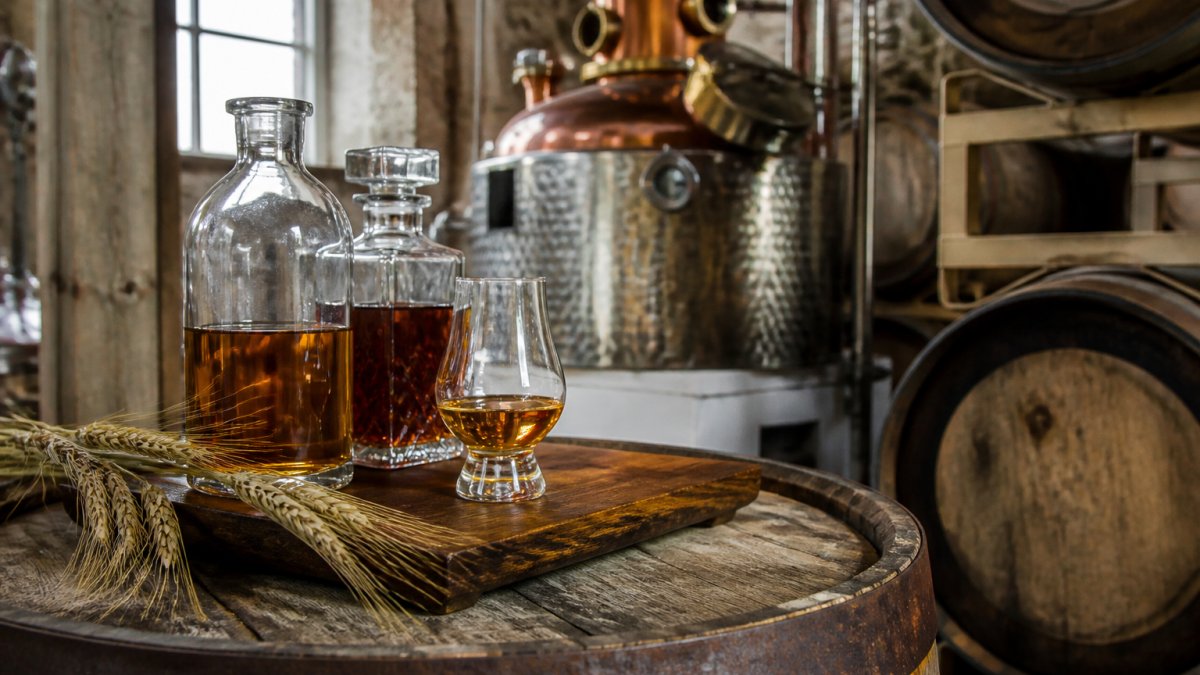
Small-batch production is the defining characteristic of craft whiskey. It means each batch is limited, often numbered, and made with hands-on attention throughout the process. This approach contrasts sharply with mass-production methods where volume and consistency dominate decision-making.
Small-batch distillers make different choices at every stage. They might select specific grain varieties based on that year's harvest. They choose barrel types and aging duration based on what the spirit needs, not what a formula dictates. They taste regularly during aging and decide when each barrel is ready, not on a predetermined timeline.
The result is whiskey with character and personality. Each batch can taste slightly different because conditions change. Some craft producers see this variation as a feature, not a flaw. It's proof that humans made the whiskey, not machines following a rigid protocol. When you buy Pennsylvania craft whiskey distilleries' products, you're supporting this disciplined, intentional approach to spirits production.
Ordering Pennsylvania Craft Whiskey Online vs. In-Person Experiences
Ordering Pennsylvania craft whiskey online offers convenience and access to expressions you might not find locally. Most distilleries now offer secure online ordering for local pickup or shipping where permitted. You can browse their full lineup, read tasting notes, and order from home.
However, in-person visits deliver something online ordering cannot: direct experience. Many people find that a single distillery visit changes how they appreciate that producer's whiskey forever.
The best approach combines both. Visit distilleries you're genuinely curious about. Build relationships with producers whose philosophy resonates with you. Then order online for convenient restocking of your favorites. This strategy supports local craft producers while fitting your lifestyle. At Lighthouse Spirits, we've designed our online ordering process to make this easy, you get the same quality and care whether you visit us at community events or order directly.
Conclusion
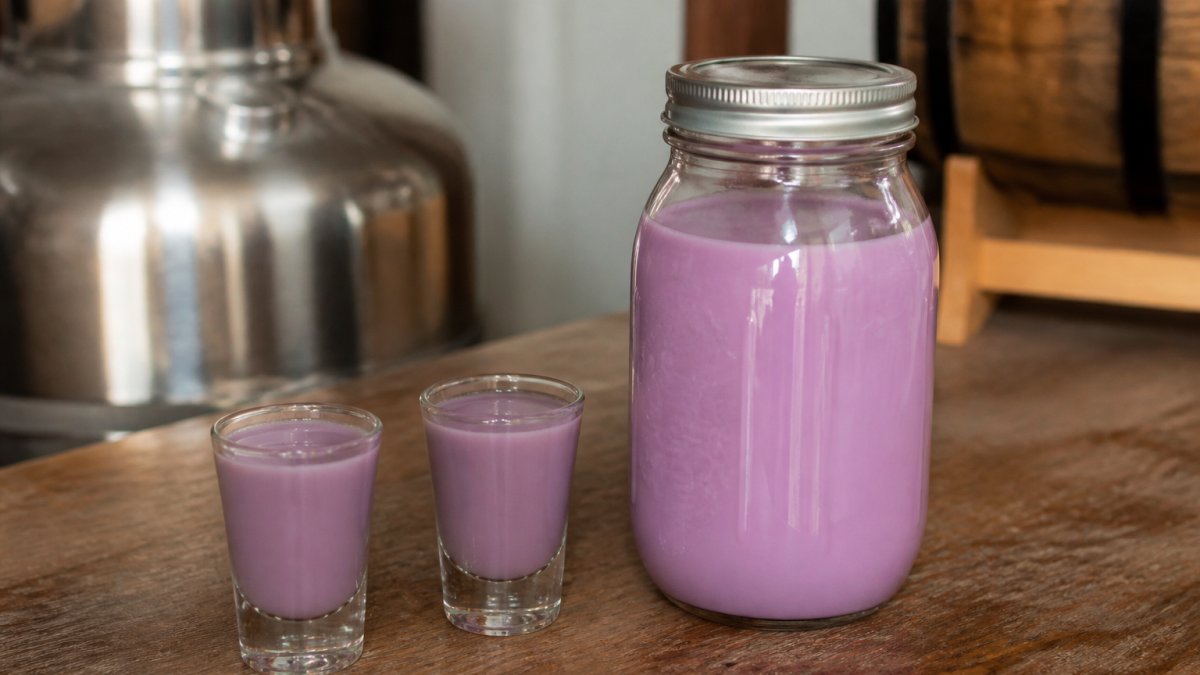
Exploring Pennsylvania craft whiskey distilleries connects you to a community of producers who prioritize quality over shortcuts. Whether you're seeking distinctive spirits like Ube Moonshine or traditional American Light Whiskey, the best distilleries share a commitment to precision, balance, and integrity. Visit local family-owned producers, taste their expressions, and discover which flavor profiles speak to you. At Lighthouse Spirits, we embody these principles in every batch we craft, small-batch spirits designed to be shared and remembered. Learn more about craft distillery practices and explore how local producers are shaping the spirits industry. Order online today to experience our commitment to disciplined craft firsthand.
| Aspect | What to Look For | Why It Matters |
|---|---|---|
| Production Method | Small-batch, hands-on processes | Ensures quality control and distinctive character |
| Transparency | Open about sourcing and aging | Builds trust and demonstrates confidence |
| Heritage Connection | Understanding of Pennsylvania whiskey tradition | Honors regional history while innovating |
| Visitor Experience | Knowledgeable guides, accessible tours | Creates personal connection to the spirits |
| Product Range | Multiple expressions to explore | Helps you discover your preferred flavor profile |
Frequently Asked Questions
What makes Pennsylvania craft whiskey different from bourbon?
Pennsylvania craft whiskey distilleries often emphasize rye whiskey and heritage grain traditions rooted in the state's distilling history. While bourbon must be produced in the United States and aged in new charred barrels, Pennsylvania craft distilleries have freedom to experiment with grain bills, aging processes, and flavor profiles. Many local producers focus on small-batch production with locally sourced ingredients, creating distinctive flavor profiles that reflect their specific approach to craftsmanship rather than adhering to strict bourbon regulations.
Can you tour Pennsylvania whiskey distilleries?
Yes, many Pennsylvania craft distilleries offer tours and tastings at their facilities. Visitor experiences vary by location, so it's best to check individual distillery websites for tour schedules, group sizes, and reservation requirements. Some distilleries also host community events and special tastings throughout the year, making them accessible destinations for spirits enthusiasts.
How do I find Pennsylvania craft distilleries near me?
A Pennsylvania distillery map is your best resource for locating local producers by region and county. Many distilleries publish their locations and hours online, and regional tourism sites often maintain updated directories. When planning visits, consider proximity to your area and check whether distilleries offer tours or tastings on your preferred dates. Grouping distilleries by region helps you plan efficient itineraries and discover multiple producers in a single outing.
What should I look for when choosing a Pennsylvania craft whiskey?
Look for distilleries that emphasize small-batch production, transparent sourcing, and disciplined craftsmanship. Family-owned operations often prioritize quality over volume, resulting in spirits that reflect their specific production philosophy. Check for information about grain selection, aging methods, and flavor profiles to match your preferences. Award recognition and heritage can signal commitment to excellence, but the best choice depends on your taste preferences and whether you value direct producer relationships and local support.