 blog
Wigle Whiskey Alternative for Craft Lovers in 2026
Last Updated: October 23, 2026
Quick Summary
A wigle whiskey alternative for craft lovers is any small-batch American whiskey, rye, or light whiskey made by an independent distillery that gives you the same local, handmade character without the same bottle, price, or availability constraints. Compare candidates on proof, age, grain bill, production transparency, and price per ounce, and score anything 18 or higher worth a full bottle.
- Craft is a marketing term, not a legal designation, so check who distilled and aged the bottle.
- A stated age means the youngest whiskey in the blend; no number means it could be young.
- Craft-infused whiskey typically runs $30 to $55 per 750 ml; anything under $20 is usually a flavored spirit drink.
- American light whiskey is distilled above 160 proof and stored in used or uncharred oak, giving a lighter, grain-forward pour.
- Confirm state and carrier shipping rules before promising a bottle as a gift.
Table of Contents
- Why Craft Lovers Are Hunting for a Wigle Whiskey Alternative
- What Is Considered Craft Whiskey, and Why It Matters Here
- Small-Batch American Whiskey: What to Look For in a Bottle
- How to Compare Craft Whiskey Alternatives Without Wasting Money
- Flavor-First Picks: Matching a Wigle Alternative to Your Taste
- American Light Whiskey: The Underrated Option for Whiskey Drinkers
- Craft Spirits for Gifts: What Actually Impresses
- Conclusion
- Frequently Asked Questions
Why Craft Lovers Are Hunting for a Wigle Whiskey Alternative
The reason is simple: craft whiskey has grown up. What started as a niche hobby now includes hundreds of independent distilleries, and drinkers who once had one favorite local bottle now want a rotation.
Below, we break down what actually separates craft whiskey from bulk-produced spirits, how to compare alternatives without wasting money, and which flavor profiles map to which bottles.
What Is Considered Craft Whiskey, and Why It Matters Here
The Alcohol and Tobacco Tax and Trade Bureau (TTB) regulates whiskey labeling and standards of identity, but "craft" itself is a marketing term, not a protected designation. That gap is where confusion creeps in.
For a Wigle alternative to be worth your money, look for transparency: who distilled it, where it aged, and how long it sat in the barrel.
The Line Between Craft and Bulk-Produced
Small-batch production means the distiller controls the grain bill, the still run, and the barrel selection. Bulk-produced whiskey is typically distilled at scale, sold to other companies, and bottled under a new label.
Neither approach is inherently bad. The difference is that a true craft distillery can tell you why a bottle tastes the way it does, down to the grain and the barrel char.
Small-Batch American Whiskey: What to Look For in a Bottle
Start with the label, then work backward. Small-batch American whiskey rewards a few minutes of reading before you buy.
- Age statement: A number means the youngest whiskey in the blend. No number means it could be young.
- Mash bill: The grain recipe. Corn-forward reads sweeter, rye-forward reads spicier.
- Proof: Higher proof carries more intensity but often needs a splash of water to open up.
How to Compare Craft Whiskey Alternatives Without Wasting Money
Compare on five axes: proof, age, grain bill, production transparency, and price per ounce. That combination tells you more than any single review.
Most buyers fixate on price alone, which is a mistake. A higher-proof bottle stretches further once you add water or ice, and a transparently made whiskey with a real age statement usually justifies more of its cost than a sourced bottle with a fancy label.
A Simple Comparison Framework
Score each candidate from 1 to 5 on the criteria below, then total the scores. Anything scoring 18 or higher is worth a full bottle rather than a sample.
| Criterion | What to Check | Why It Matters |
|---|---|---|
| Proof | ABV on the label | Higher proof means more flavor per pour |
| Age | Stated age in years | Indicates barrel time and depth |
| Grain bill | Corn, rye, wheat, malt ratios | Predicts sweetness versus spice |
| Transparency | Distiller named, batch listed | Signals real craft production |
| Value | Price relative to proof and age | Separates craft from marketing |
Use the same framework whether you're evaluating a rye, a bourbon, or an American light whiskey. The axes don't change; only the flavor expectations do.
Flavor-First Picks: Matching a Wigle Alternative to Your Taste
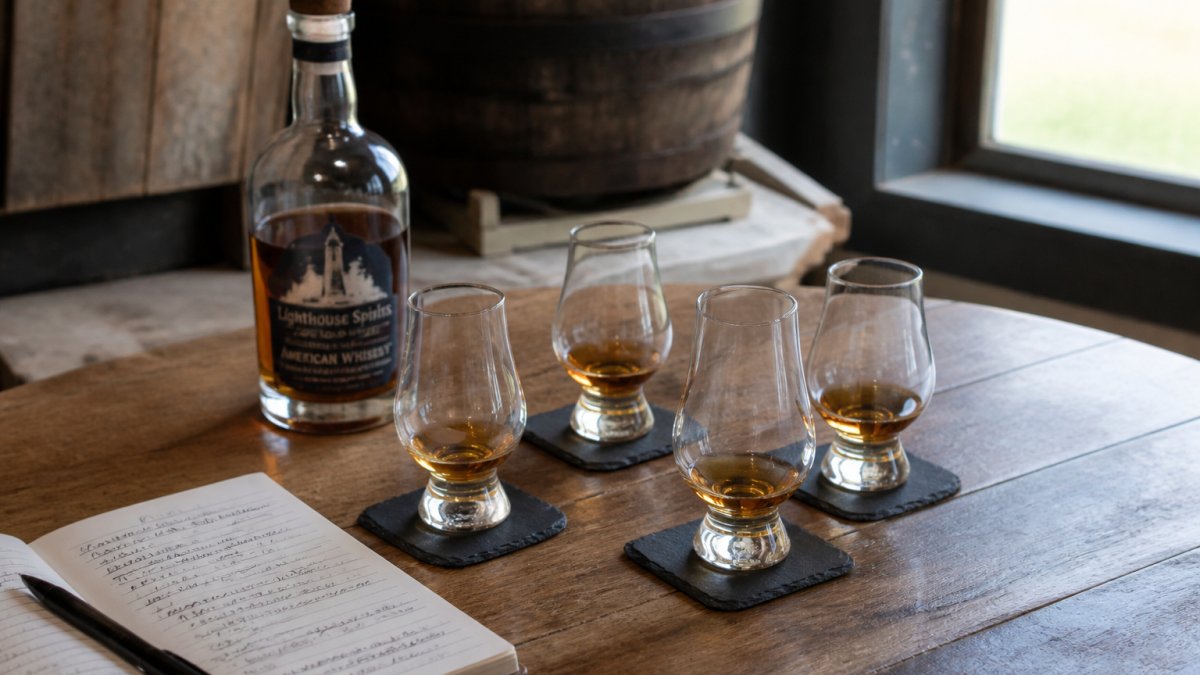
Your palate should drive the pick, not the label. Wigle built its reputation on rye-forward Pennsylvania whiskey with a dry, spicy edge, so the most useful way to shop for an alternative is to decide which part of that profile you actually want to keep.
If you want the rye spice Wigle is known for
Look for a straight rye with a mash bill at or above the legal 51% rye minimum, ideally higher. Rye delivers pepper, dill, and a dry finish that holds up in an Old Fashioned or a Manhattan.
- High-rye straight rye: Bottles in the 90-100 proof range keep the spice without scorching.
- Production tell: A stated mash bill and a named distillery separate a real craft rye from a sourced label. If the back label says "distilled in" a state different from the bottler's address, you're looking at sourced spirit.
- Use case: Neat with a splash of water to open the pepper, or stirred into a rye Manhattan where the spice cuts through sweet vermouth.
If you want fruit-forward or infused character
Wigle's flavored and infused releases, apple, ginger, and honey expressions, are a big part of why craft drinkers seek it out. The alternative here is another small distillery doing genuine infusion rather than a mass-market flavored whiskey cut with neutral grain spirit.
- What to look for: A base whiskey named on the label, real fruit or botanical in the ingredient list, and a proof high enough (usually 70-90) that the flavor isn't masking a thin spirit.
- Price anchor: Craft-infused whiskey typically runs $30-$55 per 750 ml. Anything under $20 is almost always a flavored spirit drink rather than a whiskey infusion.
- Use case: These shine in highballs and ginger ale, not neat. Treat them as cocktail bottles.
If you want traditional bourbon character
Some Wigle fans actually want the corn-sweet, caramel-and-vanilla profile that bourbon delivers, just from a smaller producer. A bourbon-style mash bill with 60-75% corn and a real age statement (4 years or more) is the target.
- Proof and age: 90-100 proof with a 4-6 year age statement is the sweet spot for craft bourbon; expect $50-$90.
- Production tell: "Straight bourbon" on the label means at least two years in new charred oak and no added coloring or flavoring, a useful floor for quality.
- Use case: Neat or on a large rock; also the most versatile base for an Old Fashioned.
If you want something lighter and more approachable
American light whiskey (covered in the next section) is the lane for drinkers who find barrel-heavy bourbon too intense. It's grain-forward, gentler on oak, and an easy entry point for newer craft drinkers.
- Price anchor: Craft light whiskey generally runs $30-$50 per 750 ml.
- Use case: Sipping neat, or as a highball base where you want the grain to show through rather than oak.
If you want experimental and limited releases
Small distilleries use limited runs to test new grain bills, finishes, and infusions. This is where you find the most distinctive bottles, and the ones most likely to sell out.
- What to look for: A batch or barrel number, a stated finish (rum, port, or wine cask), and a release date. Batch numbers signal genuine small-run production.
- Price anchor: Experimental and cask-finished releases typically run $60-$120.
- Use case: Buy a sample or a single pour first; experimental finishes are polarizing, and a full bottle is a commitment.
American Light Whiskey: The Underrated Option for Whiskey Drinkers
American light whiskey is defined in U.S. labeling standards as whiskey distilled to more than 80% alcohol by volume (160 proof) and stored in used or uncharred new oak containers. That high distillation proof strips out much of the congener load that gives bourbon its heavy barrel character, and the used cooperage means the wood contributes far less color and tannin.
How it differs from bourbon and rye
- Distillation proof: Bourbon and rye are typically distilled below 160 proof, preserving more grain and barrel interaction. Light whiskey goes above 160, which is why it reads cleaner and less oaky.
- Cooperage: Bourbon must use new charred oak. Light whiskey can use used or uncharred barrels, so the wood influence is muted.
- Age: There's no minimum age for light whiskey, but a stated age still tells you how long it sat. A 4-year light whiskey is a different pour from a 2-year.
Who it's for, and how to drink it
Drinkers who find heavily oaked bourbon too intense often love light whiskey. The lower barrel influence lets the grain itself show through, which makes it a strong sipping option and an excellent base for cocktails where you don't want oak to dominate, think a whiskey highball or a lighter Old Fashioned.
- Neat: Serve at room temperature with a splash of water; the grain notes open up.
- Highball: Its clean profile mixes well with soda or ginger ale without turning syrupy.
- Price anchor: Craft light whiskey generally runs $30-$50 per 750 ml, making it one of the more affordable craft categories.
What to check on the label
Because light whiskey has no minimum age and can be sourced, read the back label the same way you would for any craft bottle: who distilled it, where it aged, and whether an age statement appears.
At Lighthouse Spirits, our American Light Whiskey is made in small batches in Evans City with the same patient approach we apply across our lineup.
Craft Spirits for Gifts: What Actually Impresses
A gift bottle impresses when the story is as good as the liquid. Anyone can hand over a mass-market label; a small-batch bottle from an independent distillery with a real production story lands differently.
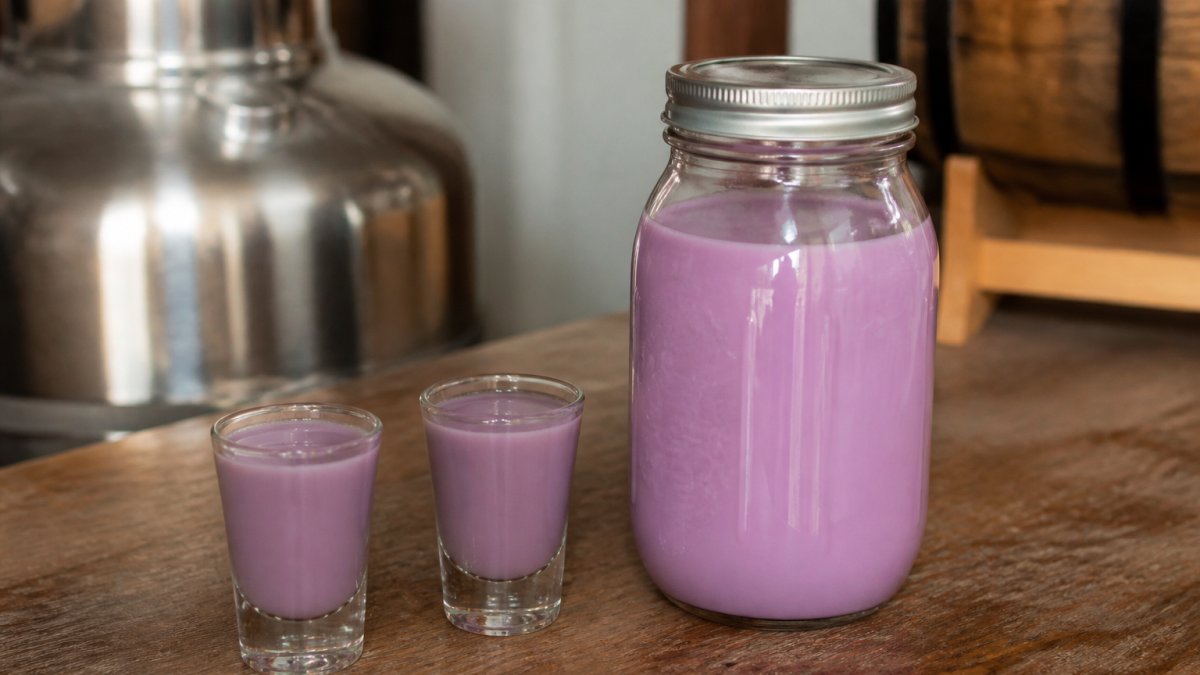
Look for a bottle with a clear point of view: a distinctive grain, an unusual infusion like Ube Moonshine, or a limited release. Pair it with a short note about the distillery.
Lighthouse Spirits offers secure online ordering for local pickup or shipping, which makes gift planning simpler for Pennsylvania shoppers.
Conclusion
The hardest part of finding a Wigle whiskey alternative isn't scarcity; it's knowing which bottle actually matches your palate and your budget. Start with the five-axis framework, read the label for age and grain bill, and let flavor lead.
Lighthouse Spirits is a family-owned distillery in Evans City making small-batch spirits with precision and patience, including American Light Whiskey and distinctive releases like Ube Moonshine.
Frequently Asked Questions
What should I try if I like Wigle Whiskey?
Start with a small-batch craft whiskey that shows a clear grain bill and a stated age or barrel program, since that is what Wigle fans tend to value. Look for a family-owned distillery you can buy from directly, then compare on three points: whether the spirit is distilled on site, whether the mash bill is disclosed, and whether the flavor leans spicy rye or softer corn.
What makes a whiskey a craft whiskey?
Craft whiskey usually means a small producer distilling in limited batches rather than buying bulk spirit and rebranding it. The label details matter more than the word craft: look for a named distillery, a stated mash bill, a batch or barrel number, and an age statement. A distillery that discloses its grain bill and production method is giving you verifiable information. If a bottle says craft but lists no distillery and no batch, treat the claim with caution.
Can a non-whiskey craft spirit be a good alternative for whiskey lovers?
Yes, if the flavor profile lines up. Whiskey drinkers usually respond to spirits with barrel character, spice, and a dry finish rather than heavy sweetness. A fruit-forward or ginger-infused spirit can work as a sipping pour or in a cocktail when the base spirit is clean and the sugar is restrained. Try it neat in a small pour first, then over ice, before you decide whether it earns shelf space next to your bourbon and rye.
What makes craft spirits for gifts a better choice than a standard bottle?
Craft spirits for gifts work because the story travels with the bottle: who made it, where, and in what batch. A limited release or a spirit with an unusual ingredient gives the recipient something they cannot pick up at any liquor store. Pair it with the distillery name and a short note on how to serve it. If you are shipping, confirm the recipient's state allows direct delivery before you order.