 listicle
Are Craft Spirits Worth Buying Locally?
Last Updated: October 28, 2026
Quick Summary
Buying craft spirits locally keeps money closer to home and gives you bottles closer to the source, plus direct access to the people who made them. You can ask about ingredients, aging and batch details, and get limited runs that never reach broad retail. Local distilleries also show up at community events.
- Craft spirits are made in small batches by independent distilleries that control ingredients, process and final blend.
- Small-batch is not a legally enforced term on every bottle, so verify production methods and ingredient sourcing.
- Ask what the base ingredient is, how long it aged and whether the bottle is a single batch or a blend.
- Distilled by" is a stronger label claim than "bottled by" or "produced for," which can indicate sourced bulk spirit.
- Craft bottles cost more because fixed costs spread across fewer bottles, plus pricier ingredients, barrel time and hands-on labor.
Table of Contents
- Why Buying Craft Spirits Locally Pays Off
- What Are Craft Spirits, Exactly?
- The Local Economy and Community Case for Buying Local Spirits
- Buying Spirits Directly From a Distillery: What Changes
- Craft Distillery Tours and Tastings: What to Expect
- Price, Value, and the Affordability Trade-Off
- How to Spot a Genuinely Local Craft Spirit
- Ordering From Lighthouse Spirits: Your Next Step
- Frequently Asked Questions
Why Buying Craft Spirits Locally Pays Off
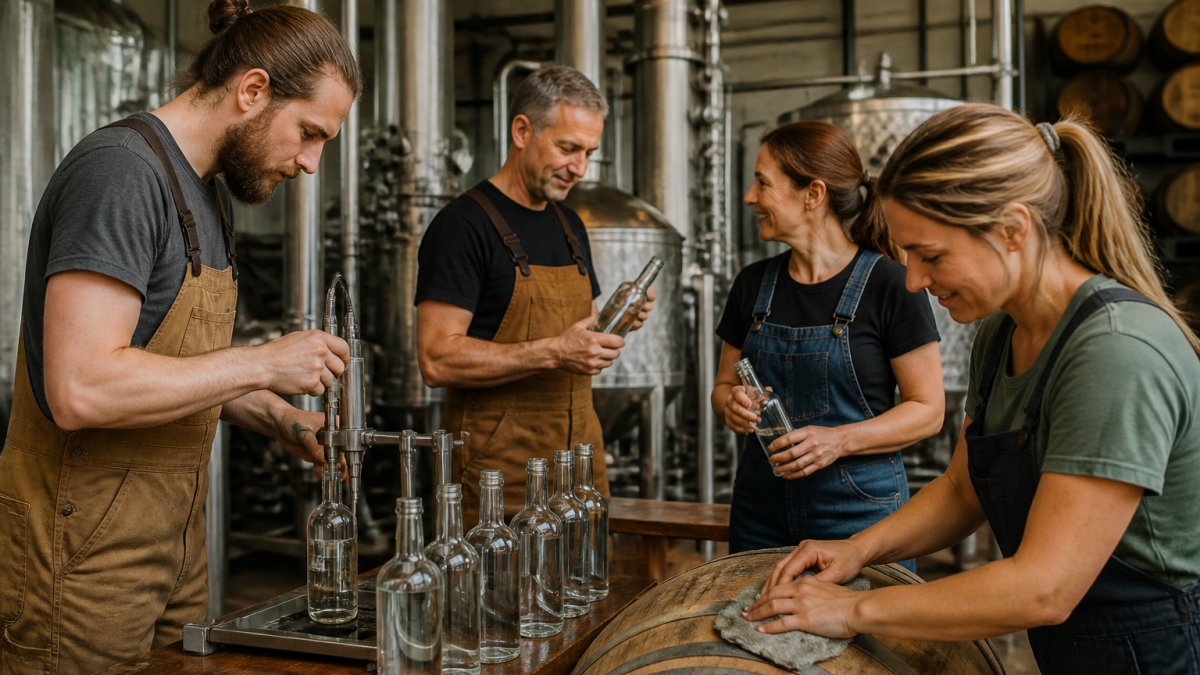
Walk into a Pennsylvania tasting room and you are not just buying a bottle. You are buying a set of decisions: which grains, which still, which aging room, and which family signed off on the final blend. At Lighthouse Spirits, a family-owned distillery in Evans City, The reasons are practical: local spirits put money into nearby businesses. Below, we break down what local craft spirits are and how to order without visiting a tasting room.
What Are Craft Spirits, Exactly?
Craft spirits are distilled beverages produced in small batches by independent distilleries, where the distiller controls the ingredients, the process, and the final blend rather than buying bulk spirit and rebranding it. The category covers whiskey, gin, rum, vodka, moonshine, and more. What ties craft producers together is scale and control: shorter production cycles, batch-by-batch decisions, and sales close to home. That proximity is the point, you can trace a bottle back to a person and a place.
Craft vs. Mass-Produced: What the Label Doesn't Tell You
The label tells you less than you think. A mass-produced spirit is built for consistency at volume: same flavor, every bottle, every year, shipped nationwide. A craft spirit is built for character, so it can shift slightly from batch to batch. That variation is not a flaw, it is evidence a human made a judgment call.
What most guides miss is that "small-batch" is not a legally enforced term on every bottle. The practical difference shows up in production methods and ingredient sourcing: a craft distiller working with regional grain and a patient aging schedule is making a different product than a plant running continuous distillation. You taste that difference in the glass, and you see it in how the distillery talks about its process.
The Local Economy and Community Case for Buying Local Spirits
Money spent at a local distillery tends to stay closer to home.
The community angle runs deeper than money. Local distilleries show up at community events.
Buying Spirits Directly From a Distillery: What Changes
Buying spirits directly from a distillery changes three things: freshness, information, and relationship. You get bottles closer to the source, you can ask the person who made them what you are tasting, and you deal with the producer rather than a middleman. That direct relationship is why buying spirits directly from a distillery appeals to discerning consumers, plus access to limited runs and experimental releases that never reach broad retail.
How to Order Without Tasting First
Ordering online without a sip first feels risky. A distillery that stands behind its product will answer all of these plainly:
- Ask what the base ingredient is and where it comes from
- Ask how long the spirit aged and in what kind of barrel
- Ask whether the bottle is a single batch or a blend of batches
- Ask for tasting notes in plain language, not marketing copy
- Confirm shipping eligibility and pickup options for your area
- Check whether the distillery is licensed and family-owned
- Look for a clear return or exchange policy on unopened bottles
If a producer dodges the sourcing question or cannot explain its distillation process, that tells you something. A straight answer is the clearest sign of a small-batch operation doing disciplined craft work.
Craft Distillery Tours and Tastings: What to Expect
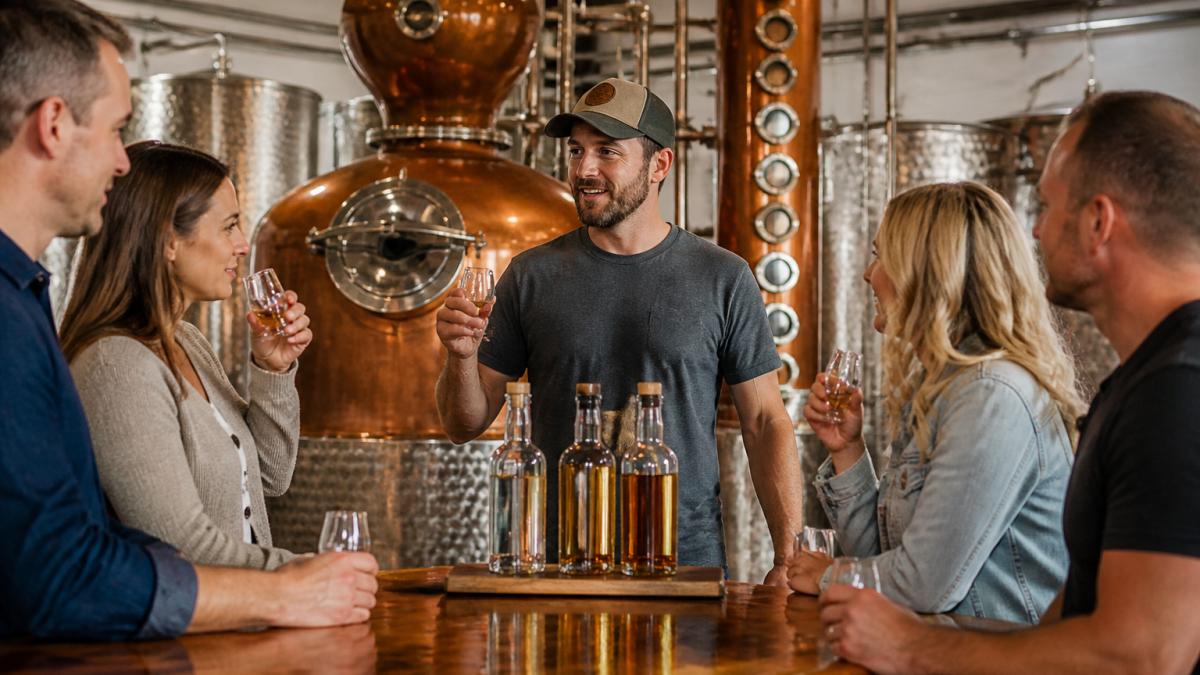
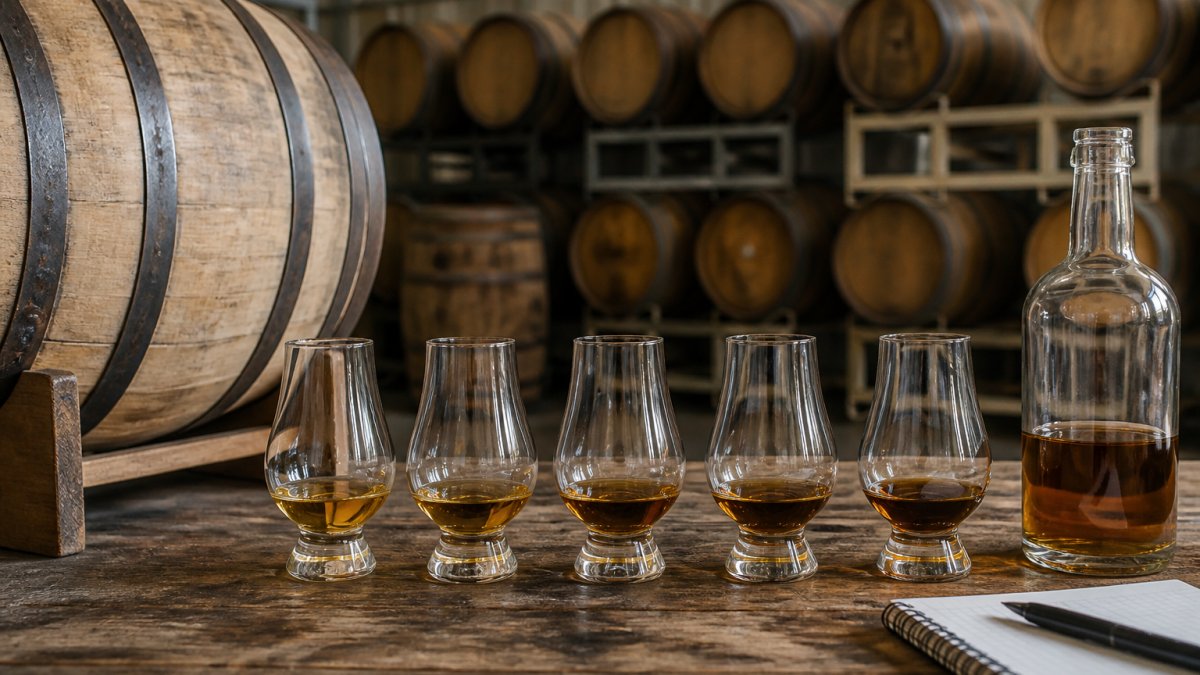
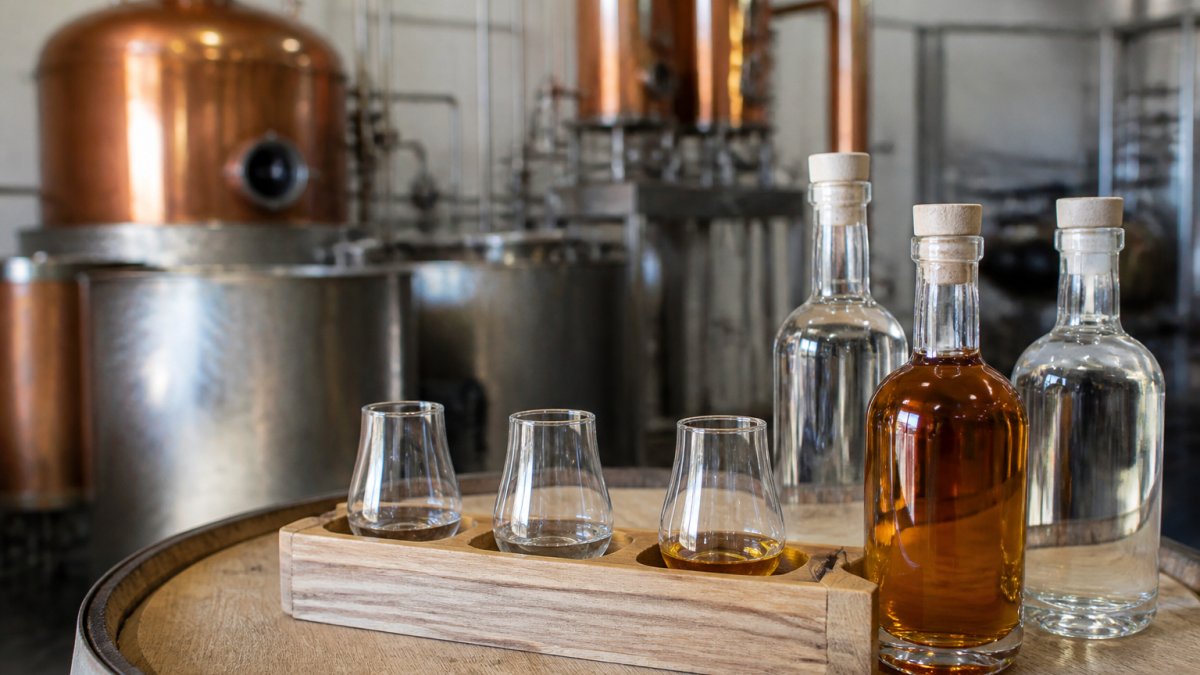
Tastings are where regional character becomes obvious. Compare a light whiskey against a bolder expression side by side and notice how distinctive flavor traces back to grain choice and barrel time. Many distilleries also pour at community events, a low-pressure way to try before you commit. If you cannot make the trip, a good tasting room will walk you through the lineup by phone or email.
Price, Value, and the Affordability Trade-Off
Craft spirits usually cost more per bottle than mass-produced equivalents, and the reasons are legitimate, but "it costs more because it's craft" is not a useful answer for a buyer in a tasting room. Here is what actually drives the price difference, and how to decide whether the premium is worth it.
What You Are Actually Paying For
- Fixed costs spread across fewer bottles. A small distillery still needs a still, a warehouse, licensing, insurance, and compliance staff. A run of a few hundred bottles absorbs the same overhead a national plant spreads across millions, so each bottle carries a much heavier share.
- Ingredient sourcing. Regional grain, specialty botanicals, and small-lot barrels cost more per unit than commodity inputs bought by the railcar. A distiller buying from a nearby farm pays a farm-gate premium a bulk buyer does not.
- Aging time and barrel cost. Every month in a barrel means tied-up capital, warehouse space, and evaporative loss (the "angel's share"). A whiskey aged several years carries that cost in every bottle; a mass-produced spirit can be batched and blended to hit a price point.
- Labor and batch-by-batch decisions. Small-batch production means more hands-on judgment per gallon, cuts made by nose and palate rather than by a continuous-flow setpoint.
- Compliance and distribution. Small producers often sell direct or through limited retail, which changes the margin structure compared with a national brand that moves volume through distributors.
How to Think About Value
- Cost per experience, not cost per bottle. A bottle you open with friends and remember is a different purchase than one that disappears into the shelf. Divide the price by the pours you will actually savor and share.
- Information premium. Part of what you pay for is access, asking the distiller what the base ingredient is, how long it aged, and why this batch tastes the way it does. That access is not available on a mass-market bottle.
- Limited runs and seasonality. Experimental and seasonal releases cost more because they are made in smaller quantities and may never be repeated. That scarcity is part of the value, but do not expect to restock the same bottle indefinitely.
A Practical Way to Decide
Current bottle prices and ordering details are on our website.
How to Spot a Genuinely Local Craft Spirit
Plenty of bottles claim to be local. Fewer actually are. The difference comes down to three questions: where the ingredients came from, where the spirit was distilled, and where it was bottled. A bottle can be "local" in branding while the liquid inside was distilled elsewhere and shipped in. Here is how to verify each claim rather than take it on faith.
The Three Provenance Questions
| What to Verify | What a Genuine Local Craft Spirit Shows | Red Flag |
|---|---|---|
| Ingredients | Named regional farms or growing areas; distiller can describe the grain or botanical source | Vague "natural ingredients" with no origin |
| Distillation | Distilled on-site at the named facility; still and process described | "Distilled for" or "produced for" a brand with no facility named |
| Bottling | Bottled at the distillery or a named local facility | "Bottled by" a third party with no address |
How to Verify, Not Just Trust
- Check the license. Verify a licensed distillery through state alcohol-control records and its own site. If no license information appears anywhere, that is a signal.
- Read the label for production language. "Distilled by" is a stronger claim than "bottled by" or "produced for." The latter can indicate bulk spirit sourced elsewhere and rebranded.
- Ask where the still is. A genuine local distillery can tell you the address of its still and usually welcomes a visit. A brand that cannot point to a facility is a brand, not a distillery.
- Look for batch and release information. Small-batch producers typically mark batch numbers, release dates, or limited-run language. Identical year-round availability everywhere suggests mass production.
- Confirm the direct relationship. A producer that sells direct, offers local pickup, or pours at community events has a relationship with its market that a national brand does not.
Where to Actually Buy Local Spirits
Provenance ties it together. A genuine local distillery can tell you where its ingredients came from, where the spirit was distilled, and who made it. Craftsmanship shows in consistent quality, honest labeling, and a willingness to answer hard questions. When a producer is transparent about sustainable sourcing and production methods, that transparency is the proof, and the checklist above is how you test it.
Ordering From Lighthouse Spirits: Your Next Step
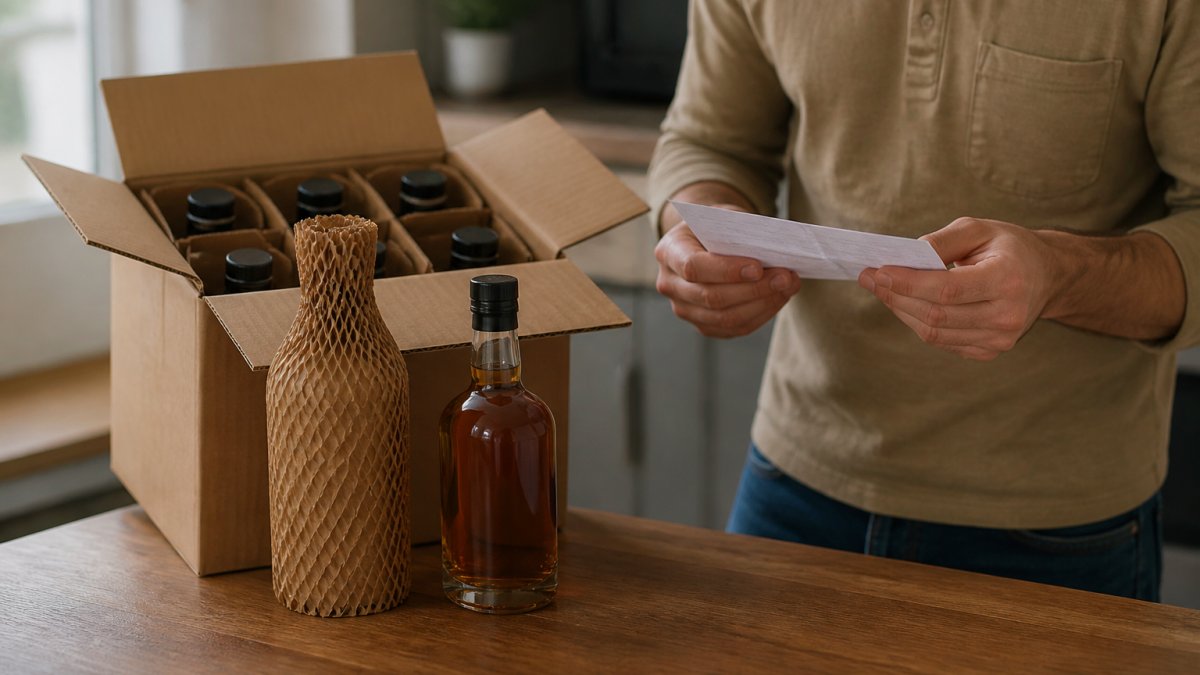
At Lighthouse Spirits, we make small-batch spirits in Evans City with a commitment to precision, balance, and integrity. Our lineup includes distinctive pours like Ube Moonshine and American Light Whiskey, crafted through patient processes and meant to be shared. We offer secure online ordering for local pickup or eligible shipping.
You do not have to guess. Shop the Lighthouse Spirits lineup to browse bottles, check current prices, and order securely for pickup or shipping. Get started with Lighthouse Spirits.
Frequently Asked Questions
What are the benefits of buying craft spirits locally?
Buying craft spirits locally keeps money in your community, supports local jobs, and gives you access to small-batch spirits you will not find at a chain store. You also get a direct relationship with the distiller, which means you can ask how a spirit was made and what is in it. Craft distillers typically source ingredients with more care and produce in smaller runs, so the flavor profile tends to be more distinctive than mass-produced bottles.
How does buying local spirits support small distilleries?
Small distilleries operate on thin margins and limited production runs. Every bottle bought directly from the distillery or through a local retailer helps them plan future batches, cover ingredient costs, and keep staff employed. Direct sales also let distillers keep more of the revenue per bottle compared to wholesale channels. In practice, a single repeat customer who orders online or attends tastings can matter more to a small producer than dozens of one-time buyers at a large retailer.
Is buying spirits directly from a distillery different from buying at a store?
Yes. Buying directly from a distillery usually means you are getting a bottle that has not sat in a warehouse or distribution chain, and you can ask the producer specific questions about ingredients, aging, and batch size. Many distilleries also offer online ordering with local pickup or shipping where state law allows. Store purchases still make sense for convenience, but direct buying gives you traceability and a relationship with the maker that a shelf label cannot provide.
What should I look for when visiting a local distillery?
Look for a clear explanation of where the ingredients come from, how long the spirit was aged, and what batch size the distillery runs. Ask whether the distillery ferments and distills on site rather than buying bulk spirit and rebranding it. A good craft distillery will answer these questions directly and let you taste before you commit. Check tour and tasting availability ahead of time, and confirm whether online ordering or shipping is offered for your area.