 how-to
7 Signs Your Whiskey Is Finished, Past Its Best, or Bad
Last Updated: October 30, 2026
Quick Summary
A whiskey finished in the drinking sense is safe but flat: it smells thin or closed, tastes dull or watery, and has a short, rough finish. Check the fill level, seal, color, nose, sip, finish, and any contamination in that order. Discard it only if you find cork debris, musty or sour smells, a sour or fizzy taste, or leakage.
- In production, finished whiskey spent a final stretch in a second cask such as sherry, port, rum, or wine.
- Run the seven checks in order and stop as soon as a step tells you to.
- A bottle more than half empty has more air contact and declines faster.
- Decant the remainder into a smaller bottle so the liquid sits closer to the neck.
- Flat whiskey still works in cocktails, sauces, and marinades, but discard it if it smells sour or shows particles.
Table of Contents
- Why Whiskey Finished Means Two Different Things
- What Is Cask-Finished Whiskey and How Long Is Whiskey Finished?
- How to Read a Whiskey Label for Finishing Clues
- A 7-Step Checklist for a Finished or Declining Bottle
- How to Taste Whiskey So You Can Spot the Difference
- Storage, Fill Level, and the Signs That Matter
- What to Do With Whiskey That Has Lost Its Flavor
- Taste the Difference at Lighthouse Spirits
- Frequently Asked Questions
Why Whiskey Finished Means Two Different Things
The phrase "whiskey finished" splits into two meanings, and mixing them up causes most of the confusion around this question. "Finished" can describe how a whiskey was made, or it can describe a bottle that has gone flat. This guide breaks down both, so you can judge your own bottle with confidence.
Whiskey finished in the production sense means the spirit spent time in a second cask before bottling. In the drinking sense, it means the whiskey has lost the aromas and flavors that made it worth opening.
Those are very different situations. One is a mark of craft. The other is a reason to pour the bottle out.
Below, you'll find a simple checklist you can run in under five minutes to tell which one you're dealing with.
Finished as a Production Method
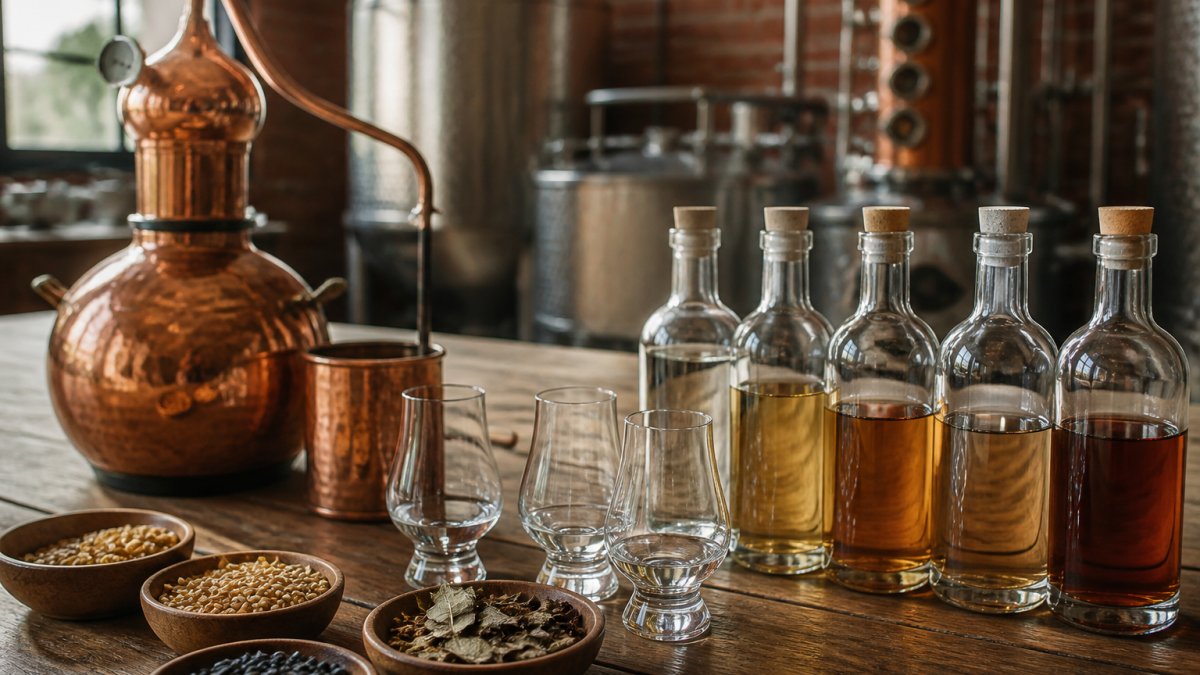
In production, finished whiskey has spent a final stretch in a cask that previously held something else. Common examples include sherry, port, rum, or wine barrels.
The goal is added character. A sherry cask can bring dried fruit notes. A rum cask can add a sweeter edge.
So when a label says "finished in," it's a badge, not a warning.
Finished as Past Its Best
The second meaning is the one that worries drinkers. An open bottle left too long can go flat, dull, or stale. People describe that bottle as finished.
Here's the key point most guides miss: whiskey does not spoil the way food does. High alcohol content protects it. What changes is quality.
A flat whiskey is still safe to drink. It just stops being enjoyable.
What Is Cask-Finished Whiskey and How Long Is Whiskey Finished?
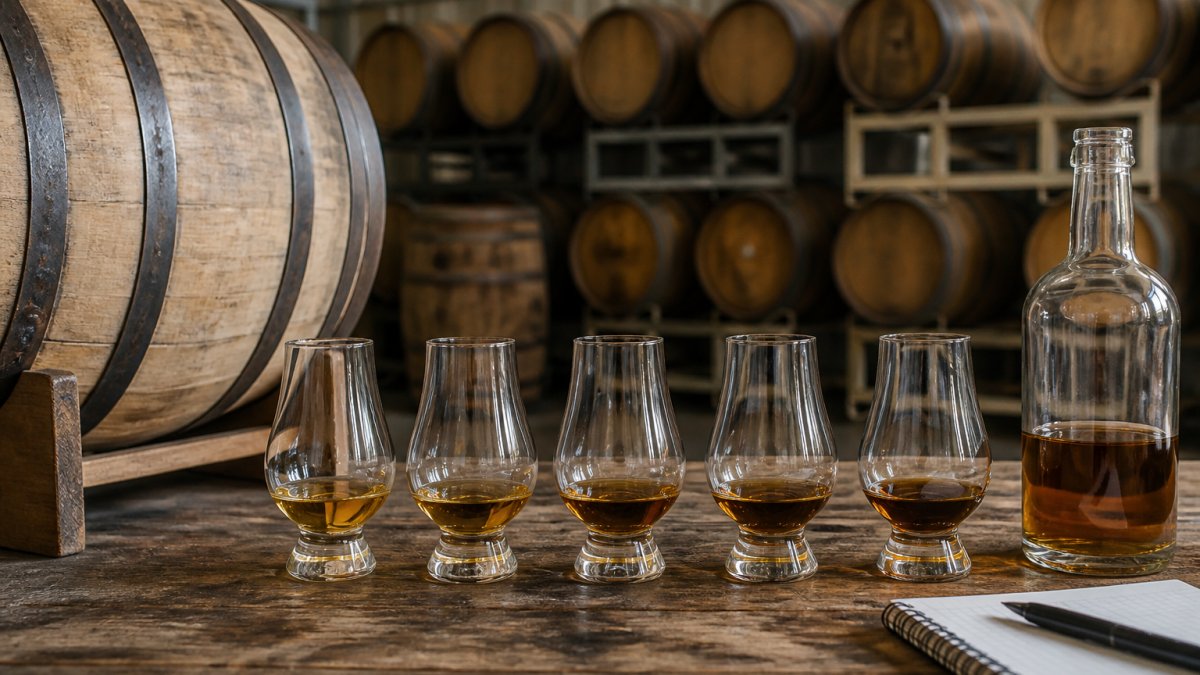
Cask-finished whiskey is whiskey that received a second period of maturation in a different barrel before bottling. The finishing period is generally shorter than the main aging.
How long whiskey is finished varies by producer and by the cask.
A few things to know:
- Finishing adds flavor; it does not replace the original aging
- The second cask can add character without overwhelming the spirit
- Labels may name the cask type, such as sherry or port
For a deeper look at how aging and maturation work, the TTB guidance on distilled spirits labeling explains what producers can and cannot claim on a bottle.
How to Read a Whiskey Label for Finishing Clues
A whiskey label tells you more than most people realize. Read it before you open the bottle, and you'll know what to expect.
Start with these elements:
- "Finished in" or "Secondary maturation": signals a production finish, not a stale bottle
- Cask type: sherry, port, rum, or wine casks each add different notes
- Age statement: shows time in the primary cask, not the finishing period
The TTB labeling rules for distilled spirits set the standards producers follow, so the terms on the label mean something specific.
One insider tip: if a label lists a finishing cask but no age, don't assume the whiskey is young.
A 7-Step Checklist for a Finished or Declining Bottle
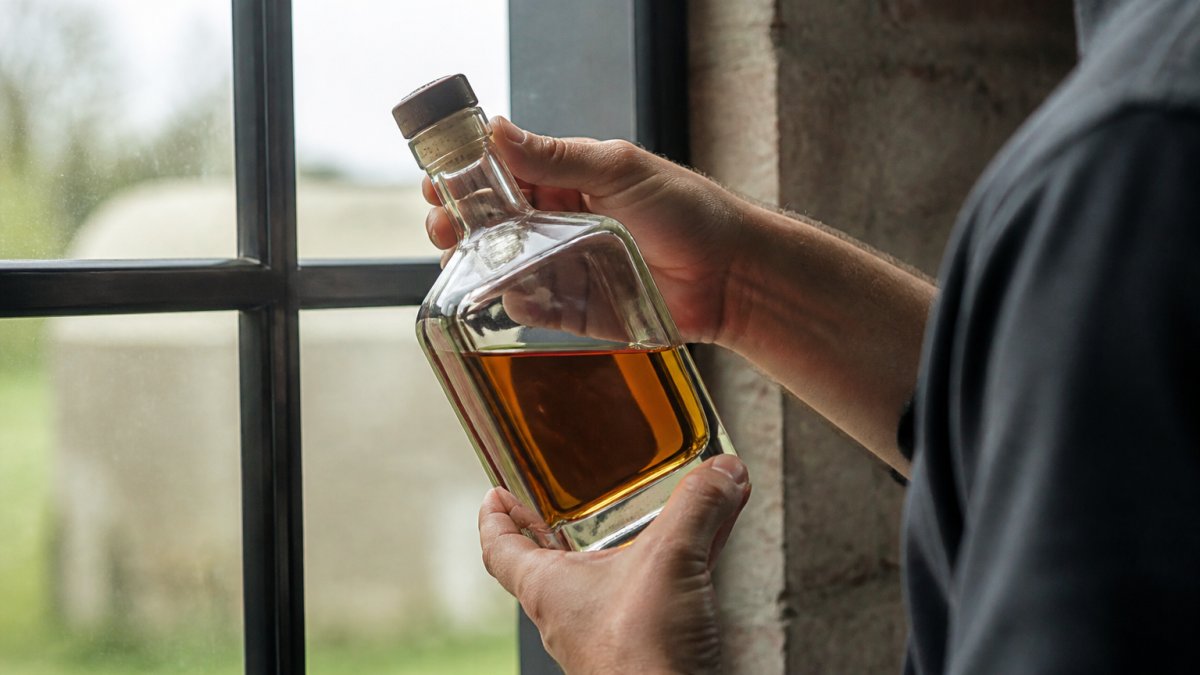
Most guides hand you a list of things to look at.
Before you start, separate three outcomes in your head:
- Empty, the bottle is gone. Nothing to assess.
- Past its best, safe to drink, but flat, dull, or short on aroma and finish. This is the common case for an open bottle.
- Unsafe, contamination or physical damage. Rare with whiskey because of its alcohol content, but possible. Stop and discard.
The checklist is built to route your bottle into one of those three buckets in under five minutes.
- Check the fill level. Look at where the liquid sits against the shoulder of the bottle. More than half empty means a large headspace of air has been in contact with the spirit. That alone does not make it unsafe, but it raises the odds the bottle is past its best. Note the level and move on.
- Inspect the seal and closure. Run a finger around the cap or cork. A closure that is cracked, crumbling, or no longer snug is the single most common cause of fast decline. If the cork is disintegrating into the whiskey, stop here, debris in the bottle is a discard signal.
- Look at the color and clarity. Hold the bottle to a window or a lamp. Whiskey color varies naturally by style, cask, and age, so a darker or lighter shade than you remember is not a problem by itself. What matters is a shift toward cloudy, hazy, or murky, especially if it appeared after the bottle was opened. Normal sediment in unfiltered or barrel-proof whiskey is fine; new cloudiness is not.
- Nose the whiskey. Pour a small measure into a clean glass and smell it gently. Fresh whiskey smells layered, you should be able to pick out more than one note. Flat whiskey smells thin, closed, or like almost nothing. Musty, damp, wet-cardboard, or sour smells are a stop signal: treat those as contamination, not decline.
- Take a small sip. Hold it briefly and swallow. You are checking for flavor that lingers versus a dull, watery, or papery taste. Loss of flavor points to oxidation. A sour or fizzy sensation is a stop signal.
- Judge the finish. The finish is the note that stays after you swallow. A short, rough, or abruptly disappearing finish is the classic sign of a declining bottle. A long, clean finish means the whiskey is still doing its job.
- Look for contamination or damage. Check for floating particles, a swollen or leaking closure, seepage around the cap, or a sour smell that persists after the glass has sat for a minute. Any of these means discard, safety beats thrift.
A common mistake is running the checklist right after opening a bottle. Give a freshly opened pour a moment to open up before you judge it.
Run these seven checks in order and stop as soon as a step tells you to.
| Step | What to check | Stop or discard signal |
|---|---|---|
| 1 | Fill level against bottle shoulder | More than half empty raises odds it is past its best |
| 2 | Seal and closure | Cracked, crumbling, or loose closure; cork debris in whiskey |
| 3 | Color and clarity | New cloudy, hazy, or murky look after opening |
| 4 | Nose the whiskey | Musty, damp, wet-cardboard, or sour smells |
| 5 | Take a small sip | Sour or fizzy sensation |
| 6 | Judge the finish | Short, rough, or abruptly disappearing finish |
| 7 | Contamination or damage | Floating particles, swollen or leaking closure, seepage |
How to Taste Whiskey So You Can Spot the Difference
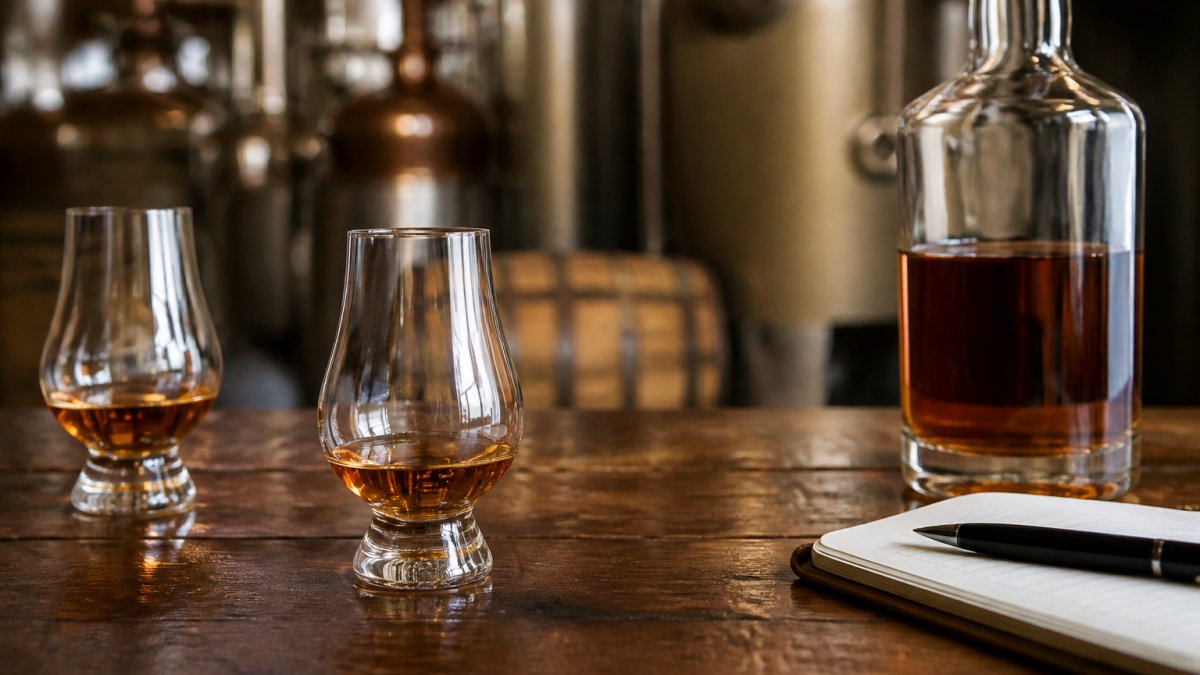
Tasting with a little structure makes decline obvious. Here's how we would do it.
- Pour a small amount into a clean glass
- Let it sit for a minute, then nose it gently
- Take a small sip and hold it briefly
The Scotch Whisky Association guidance on tasting offers a useful framework for nosing and tasting, even though it covers Scotch specifically.
Giving the spirit a moment to open up before tasting helps avoid mistaking a tight pour for a flat one.
Storage, Fill Level, and the Signs That Matter
Storage decides how long an open bottle stays good, but the reason is mechanical, not mystical.
Headspace and oxygen. Every time you pour, you replace whiskey with air.
Light. Ultraviolet light degrades the compounds that give whiskey its aroma.
Heat. Warm storage accelerates every chemical reaction, including oxidation.
Closure quality. A tight seal is the gatekeeper.
Strong smells. Whiskey is a solvent.
Signs that matter most, and what each one means:
- Fill level dropping with no pours, a leaking or failing seal. Reseal or decant.
- Musty or unpleasant smells, air ingress or contamination. Nose it again after a minute; if it persists, treat it as a stop signal.
- New cloudiness after opening, worth a closer look. Normal sediment in unfiltered whiskey is fine; new haze is not.
- Sour or fizzy taste, contamination. Discard.
The FDA guidance on food safety and spoilage is a helpful general reference for spotting contamination, though whiskey's high proof makes it far more stable than most foods. The TTB guidance on distilled spirits labeling is the better source for what a label's proof and age statement actually tell you about how a bottle will hold up.
What to Do With Whiskey That Has Lost Its Flavor
Don't pour it out right away. A flat whiskey still has uses.
- Use it in cocktails where mixers carry the flavor
- Cook with it in sauces or marinades
- Blend a small amount into a fresher bottle to stretch it
- Save the bottle for comparison tasting later
If the whiskey smells sour or shows particles, discard it. Safety beats thrift.
And if the bottle is simply past its best, the honest answer is to replace it. A fresh pour is the fastest fix.
Taste the Difference at Lighthouse Spirits
Knowing how to tell if whiskey is finished protects your money and your palate.
At Lighthouse Spirits, we craft small-batch spirits in Evans City. Our American Light Whiskey and Ube Moonshine are made to be shared and remembered.
Ready to taste the difference for yourself? Shop the Lighthouse Spirits lineup to view current prices and order online for local pickup or shipping.
Frequently Asked Questions
What does it mean when whiskey is finished?
It depends on context. In production, finished means the whiskey spent time in a secondary cask, such as a sherry or port barrel, after its main aging period. In casual use, finished means the bottle has gone flat or past its best. Check the label for a cask-finishing note, and check the bottle itself for low fill level, a damaged seal, or dull aroma before assuming the worst.
How long is whiskey typically finished in a secondary cask?
The finishing period varies by producer and release. The goal is to add character without letting the secondary cask dominate the original spirit. Shorter finishes preserve the base whiskey's flavor profile, while longer ones push more of the finishing cask's character forward. The label or distillery notes usually state the finishing period if it matters to the release.
Does cask finishing change the taste of whiskey?
Yes, and that is the point. A secondary cask can add notes like dried fruit, spice, or sweetness depending on the barrel's previous contents. The change shows up on the nose, the palate, and the finish. It does not make the whiskey better or worse on its own; it shifts the flavor profile. Taste before and after a finishing release to see how much the secondary cask contributed.
Can you tell if an open bottle of whiskey has gone bad?
Look for a crumbling or loose closure, and a musty or flat smell that replaces the original aroma. Oxidation can soften flavor over time. If the liquid looks cloudy, contains floating particles, or smells unpleasant rather than just muted, treat it as a quality problem and stop drinking it.
The best defense against a flat bottle is a fresh one. Get started with Lighthouse Spirits and taste what disciplined, small-batch craft can do for your glass.