 ultimate-guide
What Makes American Light Whiskey Unique: A 2026 Guide
Table of Contents
- American Light Whiskey: The Category Built on a Loophole
- How Light Whiskey Is Made: High Proof, Used Barrels, and Patience
- American Light Whiskey vs Bourbon: The Rules That Separate Them
- What Light Whiskey Taste Actually Delivers
- How to Drink Light Whiskey: Neat, Cocktails, and Food Pairings
- Why the Category Exists and Why It's Returning
- How to Evaluate and Buy a Bottle of Light Whiskey
- Conclusion
- Frequently Asked Questions
Last Updated: October 16, 2026
American Light Whiskey: The Category Built on a Loophole
American light whiskey is a distinct American whiskey category defined by high distillation proof and aging in used or uncharred barrels, producing a lighter, grain-forward spirit than bourbon or rye. At Lighthouse Spirits, we field more questions about this style than almost anything else on our shelf, and the confusion is understandable: the rules that created it were written for a different era of American drinking.
Start with the number that defines everything: 160 proof.
Distill American light whiskey off the still at more than 160 proof but under 190 proof, and you have met the first legal requirement. That single threshold separates it from every other American whiskey category, because bourbon and rye must come off the still at no more than 160 proof.
Here is what most guides get wrong: light whiskey is not a marketing term, a strength claim, or a diet whiskey. It is a federally defined standard of identity with specific production rules, and those rules explain everything about how it tastes.
Below, we break down the 1968 rule that created the category, how it is made, how it compares to bourbon and vodka, what it actually tastes like, and how to pick a bottle worth your money.
The 1968 Standard of Identity That Created a New Whiskey
The category was born from a regulatory opening, not a distiller's ambition. In 1968, the federal standards of identity for distilled spirits established "light whiskey" as its own class, and the timing was no accident. Vodka was surging in popularity, and American drinkers were drifting toward lighter, cleaner spirits.
The standard gave them a legal lane to do it. By requiring distillation above 160 proof, the rules guaranteed a spirit with less grain character and fewer of the heavier compounds that give traditional whiskey its density. By permitting used or uncharred barrels, the rules allowed producers to age the spirit without loading it with the char and oak influence that defines bourbon.
That combination, high proof plus restrained wood, is the entire personality of the category. It was designed to be approachable, and it was designed to be different from bourbon on purpose.
How Light Whiskey Is Made: High Proof, Used Barrels, and Patience
Production follows three decisions, in order: how high you distill, what barrel you fill, and how long you wait.
Distillation proof comes first and matters most. Running the still above 160 proof concentrates the spirit and leaves behind much of the grain's heavier character. The result is a cleaner, more neutral base than a bourbon distiller would ever aim for.
Barrel selection comes second. American light whiskey can be aged in used barrels or in uncharred new oak, which is the opposite of bourbon's requirement for new charred oak containers.
Time comes third. Because the spirit enters the barrel at a high proof and the wood is less reactive, the aging curve is gentler. Producers who want more wood influence have to wait longer for it, and many choose not to chase it at all.
Distillation Proof and Barrel Entry Proof Explained
Distillation proof is the strength at which spirit leaves the still. Barrel entry proof is the strength at which it goes into the barrel, which a producer may adjust by adding water before filling.
For American light whiskey, the legal floor sits at the still: it must be distilled above 160 proof. Barrel entry proof is a separate choice, and it shapes how aggressively the wood interacts with the spirit. A higher entry proof pulls less from the barrel; a lower entry proof pulls more.
That is why two light whiskeys with identical mash bills can taste completely different. The still proof sets the ceiling on grain character. The barrel entry proof and the barrel's prior life set the ceiling on wood character. Everything else is patience.
American Light Whiskey vs Bourbon: The Rules That Separate Them
The two categories diverge on exactly two legal points, and both change the flavor.
Bourbon must be distilled at no more than 160 proof and aged in new charred oak containers. American light whiskey must be distilled above 160 proof and may be aged in used or uncharred barrels.
| Feature | American Light Whiskey | Bourbon |
|---|---|---|
| Distillation proof | Above 160, under 190 | 160 or below |
| Barrel type | Used or uncharred allowed | New charred oak required |
| Typical color | Pale gold to light amber | Amber to deep copper |
| Grain character | Light, subdued | Pronounced |
| Wood influence | Restrained | Heavy vanilla, caramel, char |
| Mouthfeel | Lighter, cleaner | Fuller, oilier |
Vodka sits further out still. Vodka is distilled to neutrality and typically unaged, so it carries no barrel character and no grain signature worth speaking of. Light whiskey keeps a whiskey's grain base and a whiskey's barrel time, just at lower intensity on both counts.
The practical takeaway: if you like bourbon but find some barrels too heavy, light whiskey is the middle ground. If you like vodka's cleanliness but want something with more texture and a whisper of oak, it is also the middle ground.
What Light Whiskey Taste Actually Delivers
Expect a lighter, sweeter, grain-forward pour with restrained oak, gentle vanilla, and a clean finish. The high distillation proof mutes the heavier grain notes, and the used barrels keep the wood from taking over.
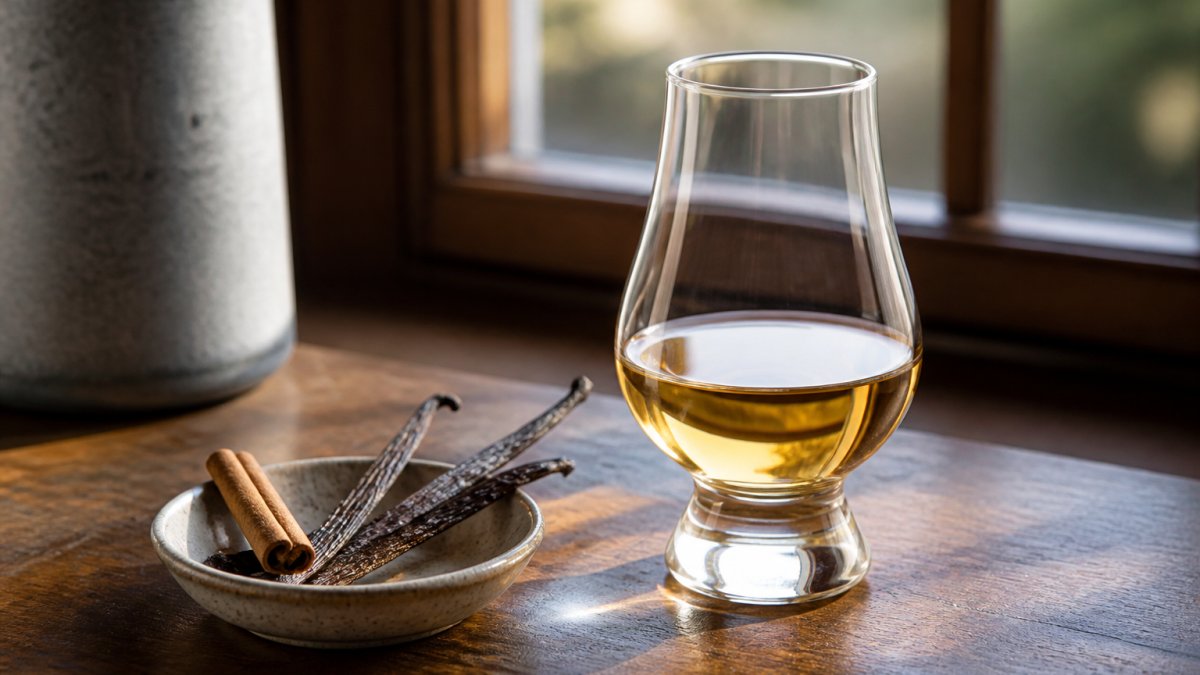
The flavor profile runs toward:
- Aroma: soft grain, light vanilla, a touch of caramel, sometimes a faint floral note
- Palate: mild sweetness, gentle spice, low tannin, very little char
- Mouthfeel: thinner and cleaner than bourbon, without the oily weight
- Finish: short to medium, clean, rarely bitter
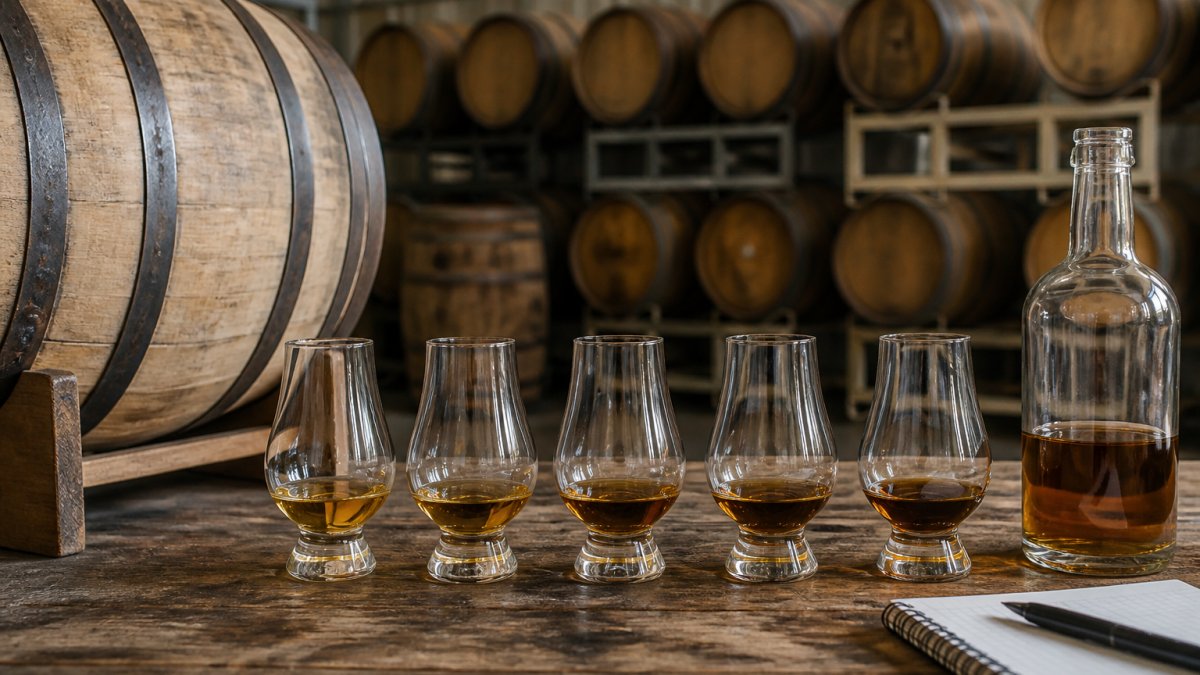
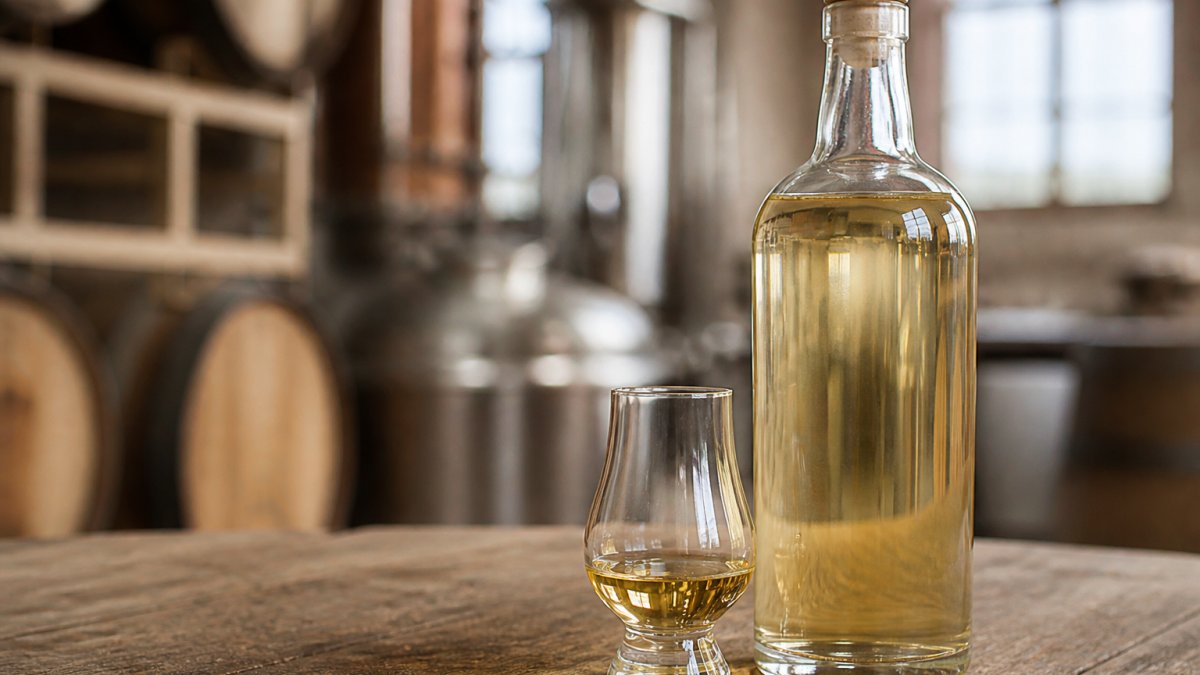
Color is the honest tell. Because used and uncharred barrels give up far less color than new charred oak, light whiskey often pours noticeably paler than bourbon of similar age.
What most reviews miss is that this restraint is the point. Light whiskey is not a lesser bourbon. It is a different tool, and it performs best when you stop judging it against a category it was never trying to join.
How to Drink Light Whiskey: Neat, Cocktails, and Food Pairings
Neat is the best starting point, because the lighter profile is easy to bury under mixers. Pour it at room temperature in a glass with a narrow opening, let it sit a minute, and taste it before you add anything.
From there, the category is unusually flexible in cocktails:
- Highballs: the clean grain base holds up against soda without fighting it
- Whiskey sours: the lower wood influence keeps the drink from turning heavy
- Old Fashioneds: use a lighter hand with syrup, since the spirit already leans sweet
- Substitutions: swap it into any recipe that calls for a lighter whiskey and reduce the sweetener slightly
Food pairings follow the same logic. Because the spirit is mild, it works alongside lighter fare: soft cheeses, cured meats, roasted vegetables, and simple desserts like shortbread or pound cake. Heavier dishes, especially smoked or heavily sauced meats, tend to overwhelm it.
Why the Category Exists and Why It's Returning
The category exists because the rules were written to let distillers make a whiskey that could compete with vodka's lighter profile, and it is returning for much the same reason.
Light whiskey answers that directly. It offers a whiskey's grain and barrel time at a fraction of the wood and heat, which makes it an easy entry point and a genuinely useful bottle for anyone who entertains.
There is a craft argument too. Small producers working in used barrels get a spirit that shows the grain rather than the cooperage, and that puts more pressure on the distiller to get the cut right. When the barrel is not covering for you, the distillation has to be clean.
How to Evaluate and Buy a Bottle of Light Whiskey
Read the label for three things before you buy: the category name, the barrel type, and the age statement if there is one.
A bottle labeled American light whiskey has met the federal standard, which means you know the distillation proof and the barrel rules going in. From there, judge the producer the way you would judge any craft distillery:
- Does the label state the barrel type, or at least confirm used or uncharred cooperage?
- Is there an age statement, and does it match the price you are being asked to pay?
- Does the producer describe the grain base, or is the label vague about what is inside?
- Is the distillery transparent about where and how the spirit was made?
- Does the bottle come from a producer you can visit, question, or buy from directly?
That last point matters more than most buyers realize. Small-batch spirits from a family-owned distillery carry a level of accountability that a bulk-sourced label cannot match, because there is a real person on the other end of the question. At Lighthouse Spirits, we produce our American Light Whiskey in small batches in Evans City, and we are glad to talk through the still proof, the barrel choice, and the aging time with anyone who asks.
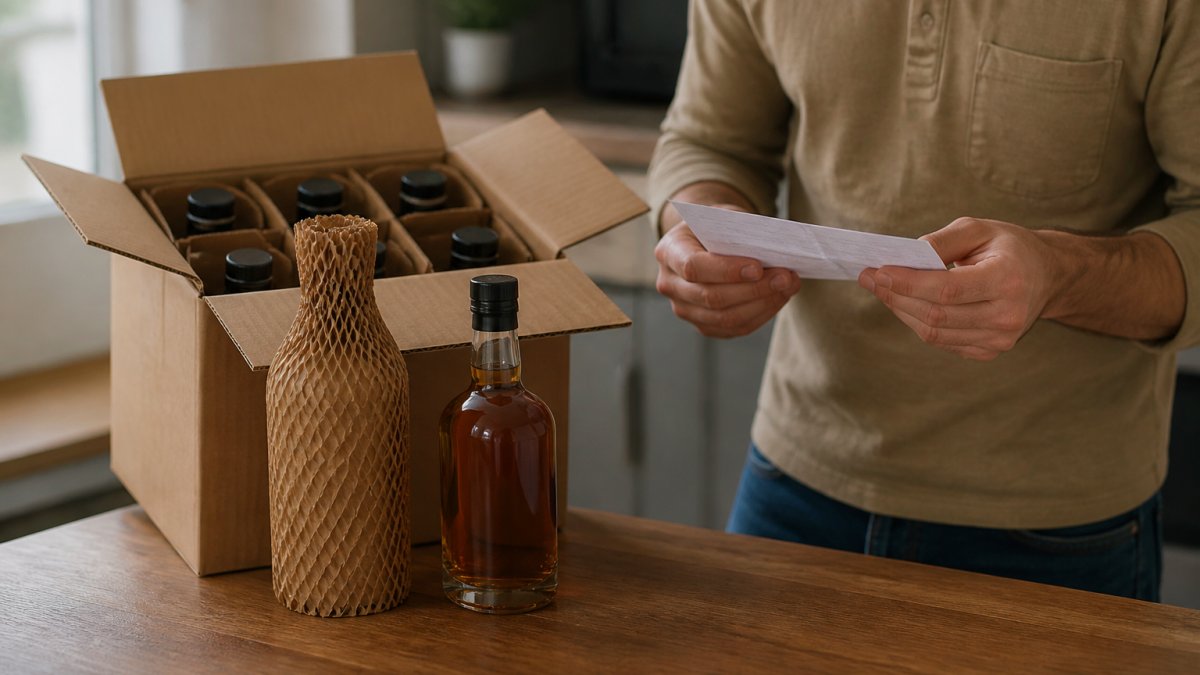
Pricing for our spirits is listed on our website, and we offer secure online ordering for local pickup or shipping. If you are an hour away and cannot make the trip, ordering direct still gets you the bottle and the answers.
Conclusion
The hard part with light whiskey is not finding a bottle. It is unlearning the habit of measuring every whiskey against bourbon, because this category was never built to compete on weight or wood. It was built to be lighter on purpose, and the producers who respect that distinction make the most of it.
Lighthouse Spirits makes American Light Whiskey in small batches with the same disciplined process behind everything else in our lineup: precision in the cut, patience in the barrel, and no shortcuts in between. Order online for local pickup or shipping, or find us at community events across Pennsylvania and taste the difference a clean distillation makes.
Frequently Asked Questions
What is American light whiskey?
American light whiskey is a legal category defined by the U.S. Standards of Identity for Distilled Spirits. It must be distilled above 160 proof but below 190 proof, then stored in used or previously used barrels rather than new charred oak. The result is a pale, grain-forward spirit that tastes closer to a light rum or unaged whiskey than to bourbon. The category was formalized in 1968 as a response to vodka's rising popularity.
What makes light whiskey different from bourbon?
Three rules separate them. Bourbon must be mashed from at least 51 percent corn, distilled no higher than 160 proof, and aged in new charred oak barrels. Light whiskey can use any mash bill, is distilled between 160 and 190 proof, and must use used or previously used barrels. That last difference is why light whiskey stays pale and grain-forward while bourbon pulls heavy vanilla, caramel, and oak from fresh char.
What does American light whiskey taste like?
Light whiskey taste leans bright and grain-forward. High distillation proof strips out many of the heavier congeners that give bourbon its depth, so you get sweetness, light vanilla, soft spice, and a clean finish rather than dense caramel or smoke. Some bottlings pick up rum-like or floral notes from whatever was previously stored in the barrel. Mouthfeel tends to be thinner than straight whiskey.
How should you drink light whiskey?
Try it neat first in a Glencairn glass to catch the grain and vanilla notes without dilution. A few drops of water open up the aroma if it feels tight. It also works well in highballs, whiskey sours, and lighter cocktails where bourbon would overpower the other ingredients. Serve it chilled or over a single large ice cube in summer. Avoid heavy mixers that bury the delicate profile.
Disclaimer: This article is for informational purposes only and is intended for readers of legal drinking age. Please drink responsibly.